 The Needs Lens
Talks
Talks that help people make sense of each other
Warm, practical talks for conferences, away days, and leadership events. Each one introduces the needs lens and leaves your audience with tools they can use the same day.
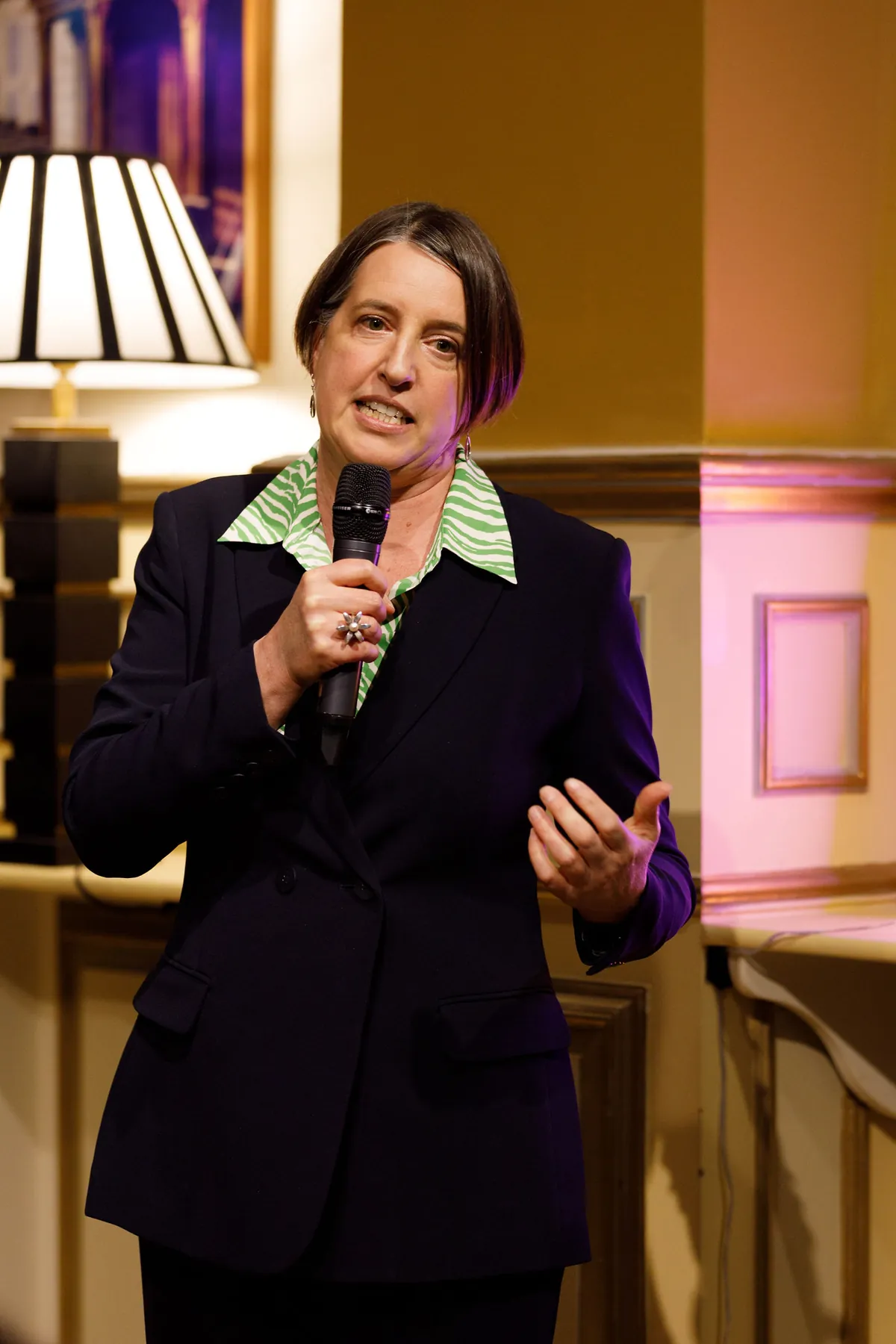
A former barrister and Chief Executive of a national charity, Alice speaks with warmth, humour, and depth.
Book a callTalk 01
Human skills in the age of AI
The things only people can do, and how to get better at them
Your audience leaves with three practical human skills they can use the same day, at work and at home.
The problem
As AI takes on more of the thinking, writing, and analysis, what people bring to work changes. What’s left is human: staying steady under pressure, making someone feel heard, working through disagreement. These skills are often seen as soft, unteachable, or second best.
What the talk covers
The missing piece in most communication is an understanding of shared human needs, such as belonging, respect, and purpose. Once people can see the needs behind behaviour, their own and other people’s, they react less and connect more. The talk introduces this lens through stories and a hands-on needs list, then turns it into three tools.
What people take away
- Pause when triggered: why some situations hit harder than they should, and how to come back to your best self
- Listen with empathy: why fixing, explaining, and advising often backfire, and what to do instead
- See disagreement through needs: finding a way forward that works for both sides
Talk 02
What your team isn’t telling you
Psychological safety and wellbeing, beyond the buzzwords
Leaders leave understanding why people stay silent, and with practical ways to make speaking up worth the risk.
The problem
Most leaders want to hear what their team really thinks. Most teams hold back anyway: the half-formed idea, the concern about a decision, the mistake no one wants to own. Psychological safety and wellbeing are in every strategy, but the silence often stays.
What the talk covers
Silence is a strategy. People stay quiet to meet real needs, such as security, belonging, and being respected. When leaders see their team through the lens of these shared needs, blame gives way to understanding, and they can change the conditions that make silence the safer choice. The talk also looks at power: why a leader’s voice is louder than they think, and how to use that power consciously.
What people take away
- A clear way of understanding behaviour, including silence, through needs and without blame
- Impact before intention: how to respond when someone tells you something hard to hear
- How to name your own power so others feel freer to speak
Talk 03
Disagreeing well
Without fighting or folding
Teams leave able to disagree openly and still trust each other, including when the disagreement is with someone more senior.
The problem
Most teams handle disagreement in one of two ways. They avoid it, so problems go underground and decisions get worse. Or they fight it out, so relationships suffer and people stop contributing. Neither gets the best thinking into the room.
What the talk covers
The obstacle to disagreeing well is often the belief that understanding someone means agreeing with them. It doesn’t. Every position is an attempt to meet needs we all share, and that common ground is where people who see things differently can meet. The talk shows how to hold your ground and stay open at the same time, and how power changes disagreement when it runs up the line.
What people take away
- Empathy without endorsement: understanding a view you don’t share
- Speaking to be heard: saying what matters to you in a way others can take in
- Finding strategies that meet more of everyone’s needs, not just a compromise
What audiences say
“Brilliant, easy to understand, and applies with equal force in personal and professional contexts.”
“Staff response to your session has been filled with enthusiasm, happiness and contentment.”
“By using [these skills], managers at all levels of seniority can foster an environment where people give their best.”

Planning an event?
Every talk can be shaped around your theme and your audience. Book a call and we’ll work out what fits.
Get a weekly tip for better conversations
One short, practical idea each week to help you see the needs behind behaviour, at work and at home. Easy to unsubscribe at any time.

Let’s talk about your event
Book a free 30-minute call. Tell me about your audience and what you’d like them to leave with.
Book a call